
Blog

If you wake up every morning with stabbing heel pain, you’re not alone. Plantar fasciitis affects millions each year — but what most people don’t realize is that it’s not just “bad luck.” It’s often caused by everyday habits that quietly overload your feet. Let’s look at the 7 most common culprits — and what you can do about them.
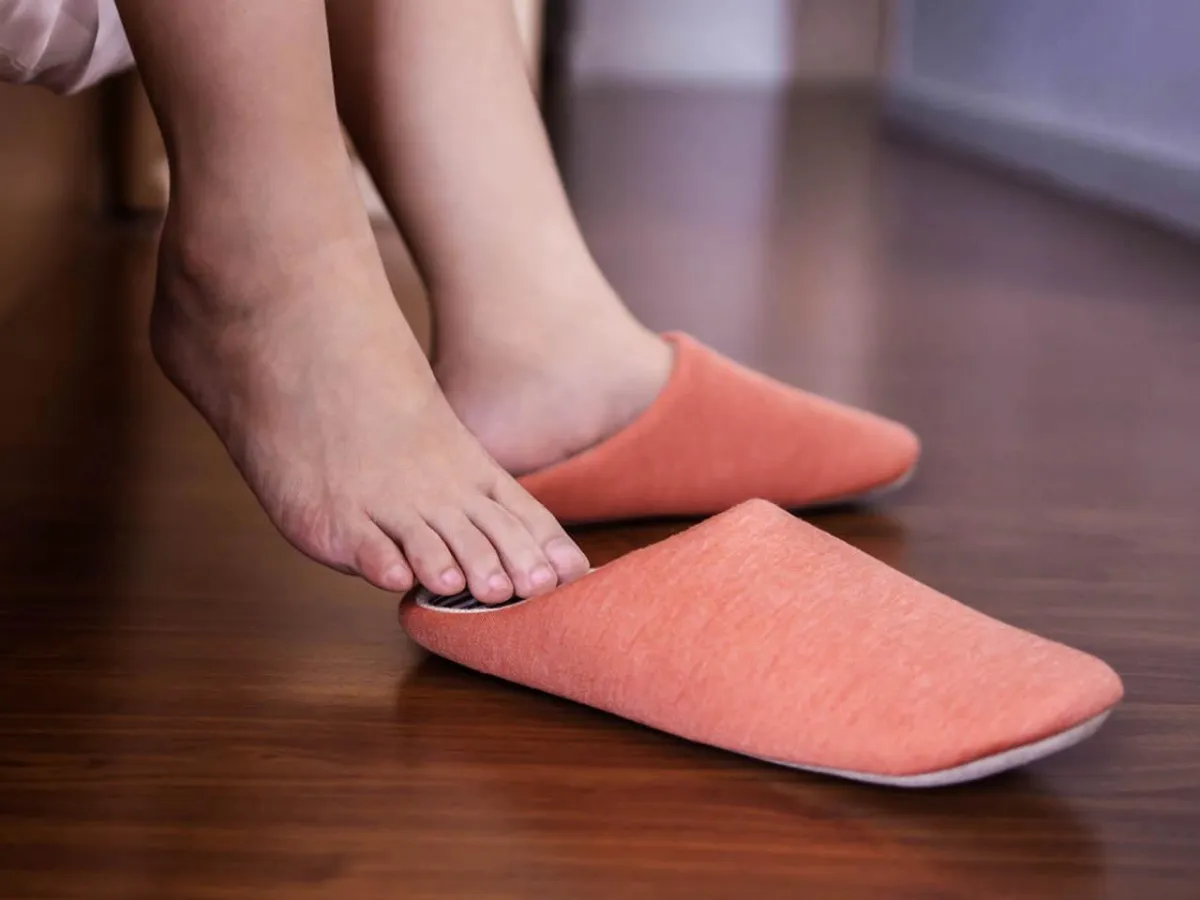
That first step out of bed — and the sudden heel pain that follows — is a signature sign of plantar fasciitis. But why does it hurt so much in the morning? And more importantly, how can you fix it?
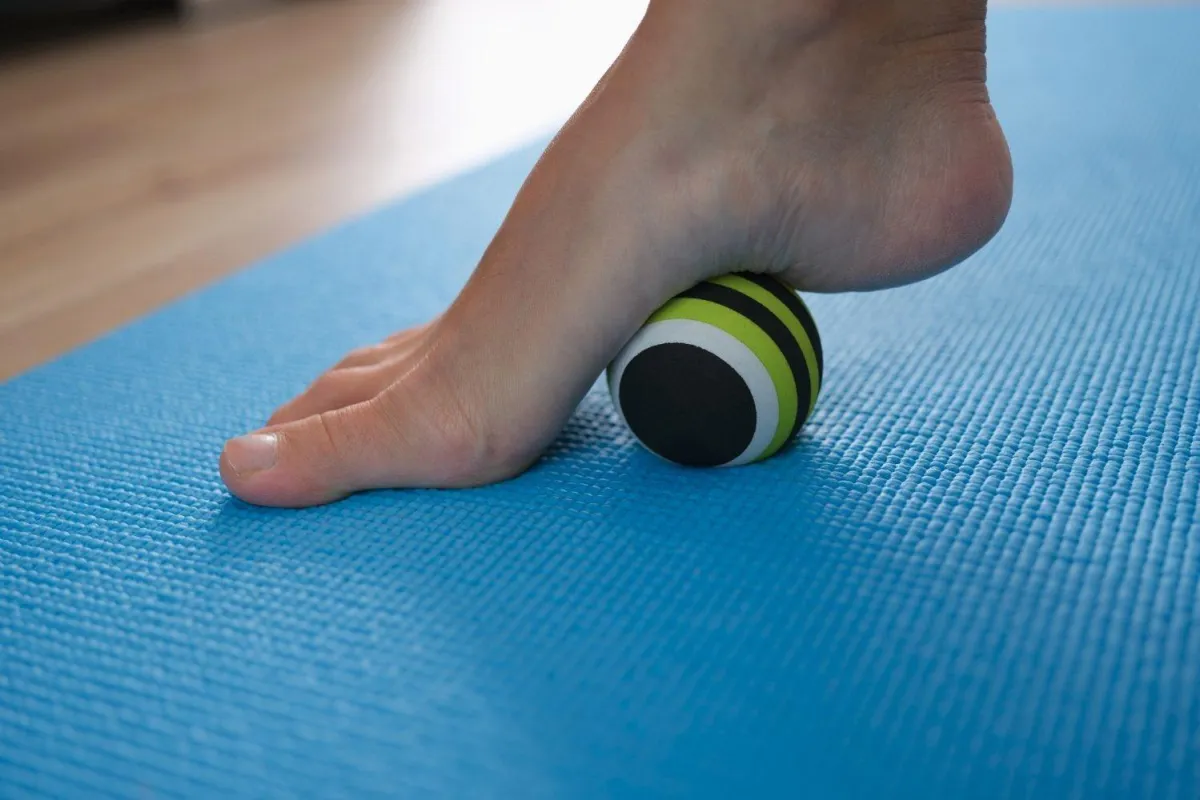
If heel pain is making every step feel like a chore, the right stretches can be a game-changer. Regular movement helps loosen tight muscles and reduce strain on the plantar fascia — and you can do most of them at home in just a few minutes a day.
One of the most common questions people ask after being diagnosed with plantar fasciitis is, “How long will this last?” The honest answer: it depends — but most people can expect steady improvement within weeks and full recovery within a few months when treated properly.

If you’ve ever wondered whether your shoes might be behind your heel pain — you’re probably right to question it. The shoes we wear play a huge role in foot health, and the wrong pair can contribute directly to plantar fasciitis. Let’s explore what the research and podiatrists say about footwear and heel pain.

Once you’ve had plantar fasciitis, you’ll do anything to keep it from coming back. The great news? A few simple daily habits can make all the difference. Whether you’re recovering or just want to prevent heel pain, these five steps can protect your feet long-term.

Heel pain isn’t always plantar fasciitis — even though it’s the most common diagnosis. Sometimes, other conditions like heel spurs or nerve issues can mimic the same symptoms. Here’s how to tell the difference and when to seek professional help.
Need More Help With Plantar Fasciitis?
Copyrights 2025 | Online Med Pros™ | Terms & Conditions